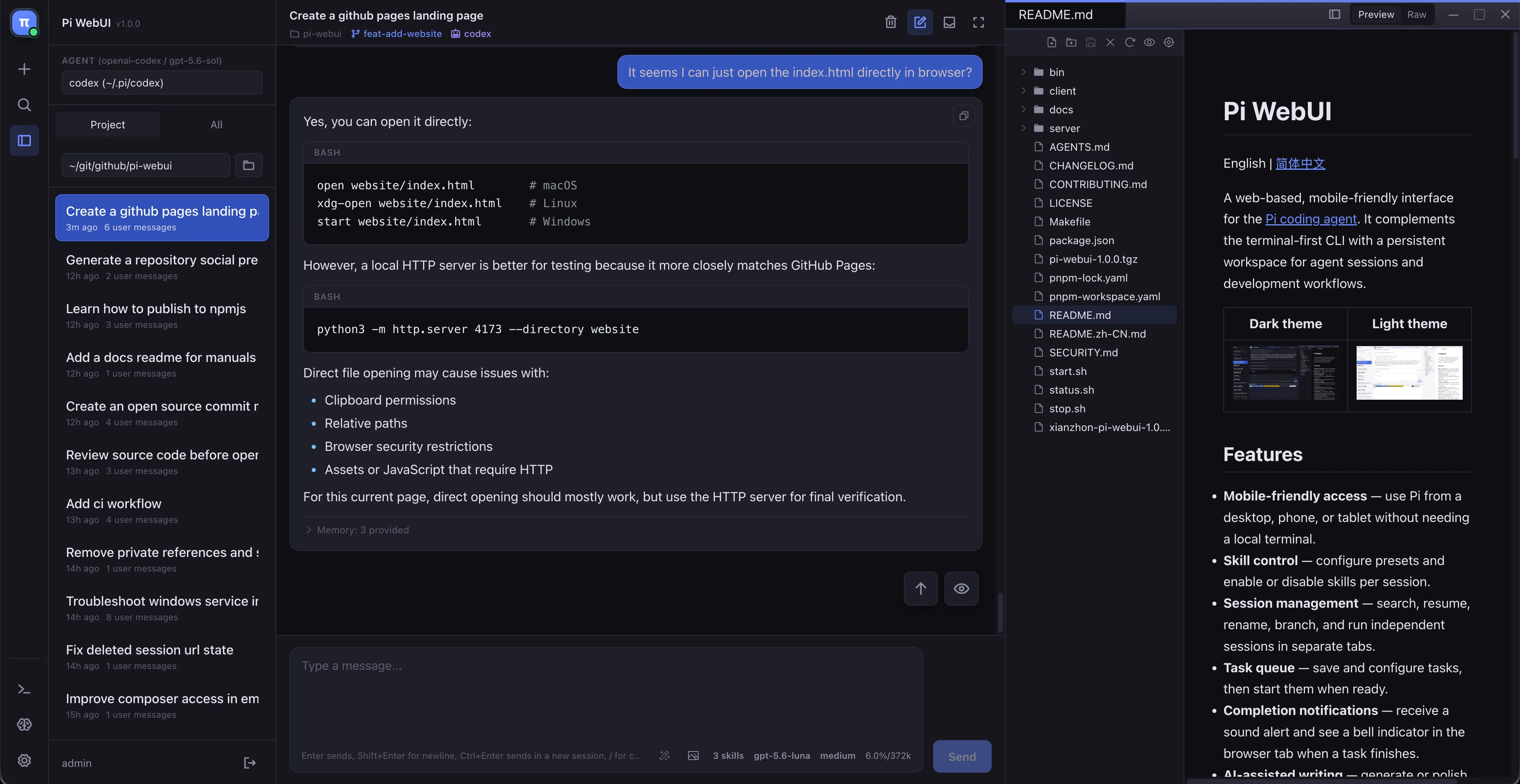
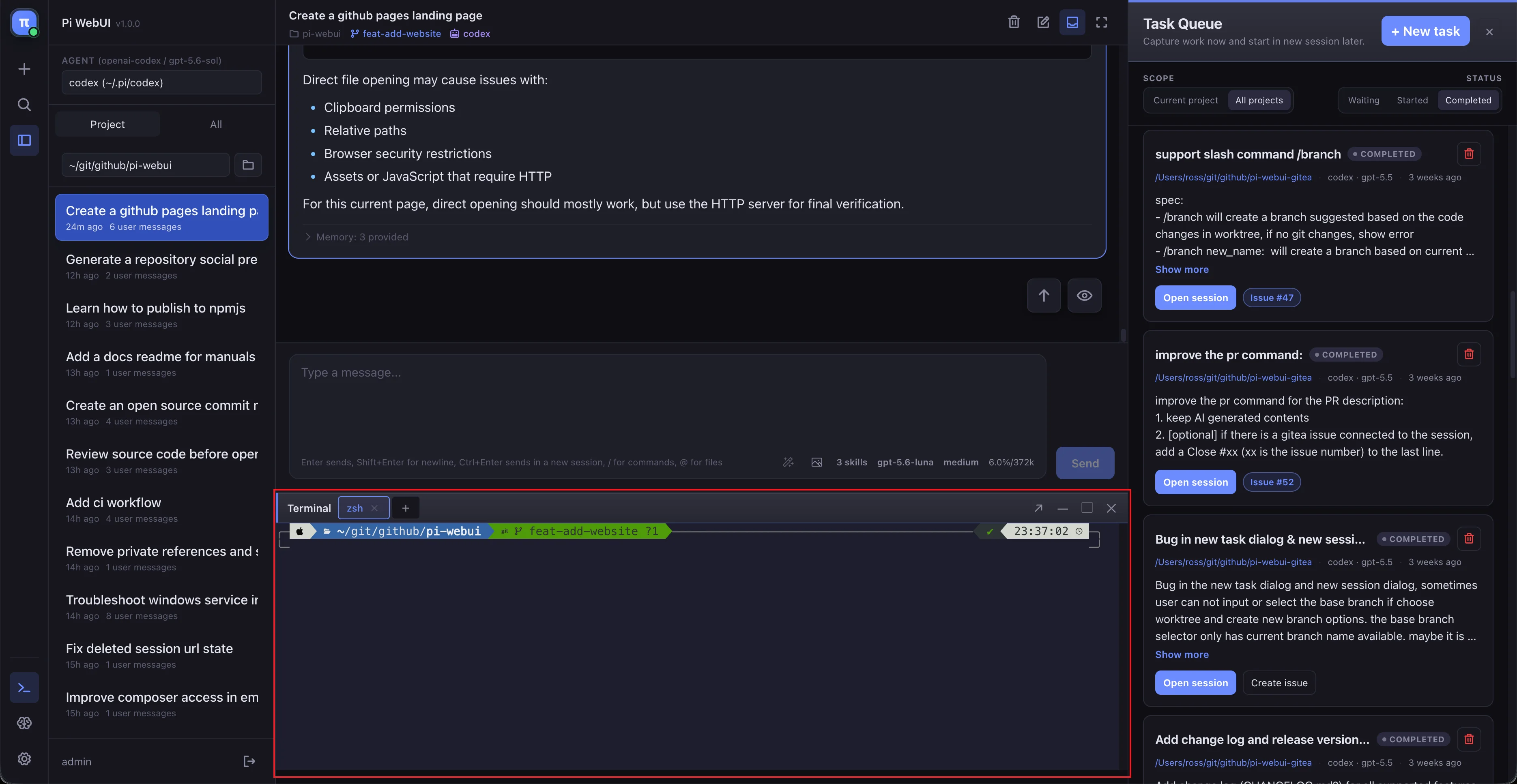
Three-Panel Workspace
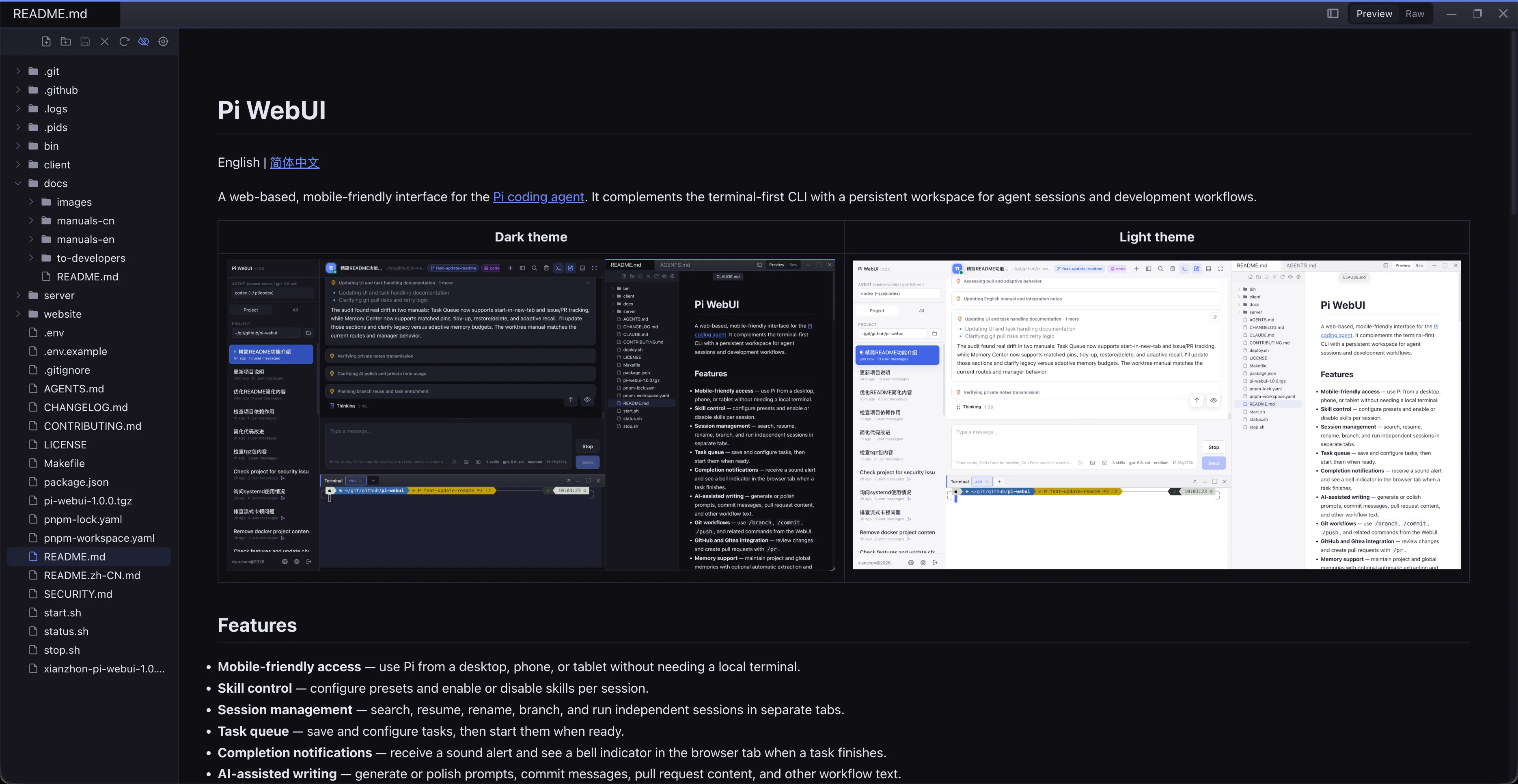
Keep your conversation grounded in the repository. Full multi-tab terminal, live Markdown renderer, syntax-highlighted code editor, and file inspector in one window.
Pi WebUI gives the Pi coding agent a persistent, multi-device workspace for conversations, code, terminals, tasks, memory, and Git workflows.
npm install -g @xianzhon/pi-webui && pi-webui
Interactive Overview
Click through key subsystems to see how Pi WebUI orchestrates complex agent loops.
Deep Feature Set
Every tool you need to guide autonomous agents without losing context or safety.
Keep your conversation grounded in the repository. Full multi-tab terminal, live Markdown renderer, syntax-highlighted code editor, and file inspector in one window.
Test speculative refactors in isolated Git worktrees without touching your active branch or unstaged changes. Copy uncommitted config files automatically.
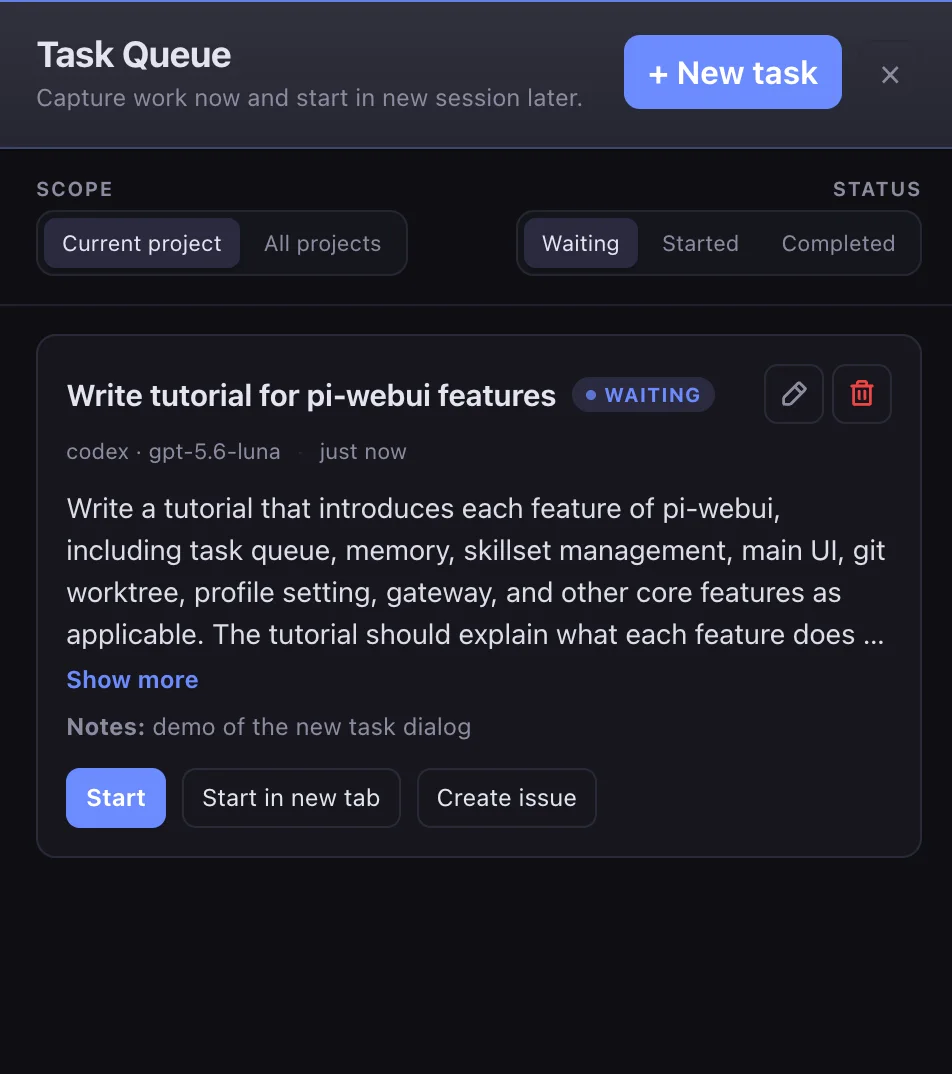
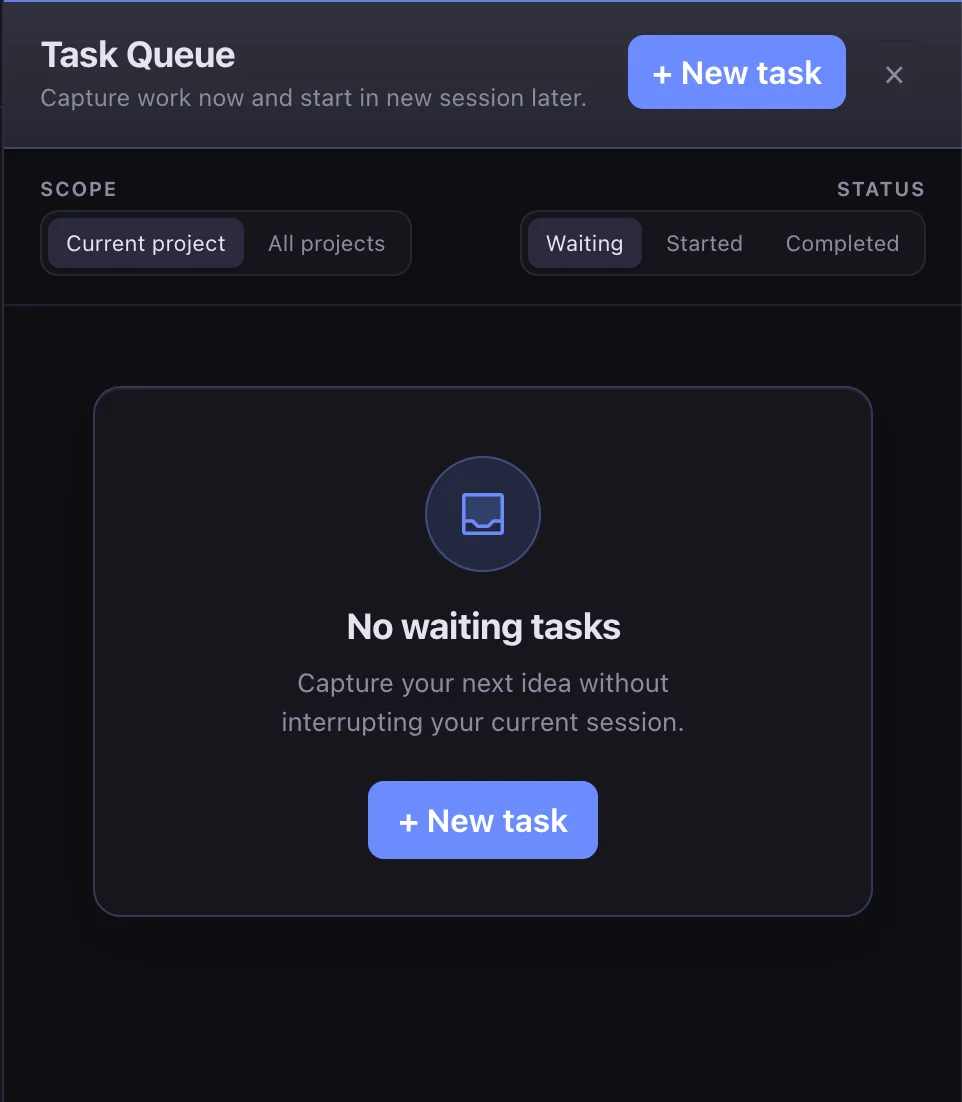
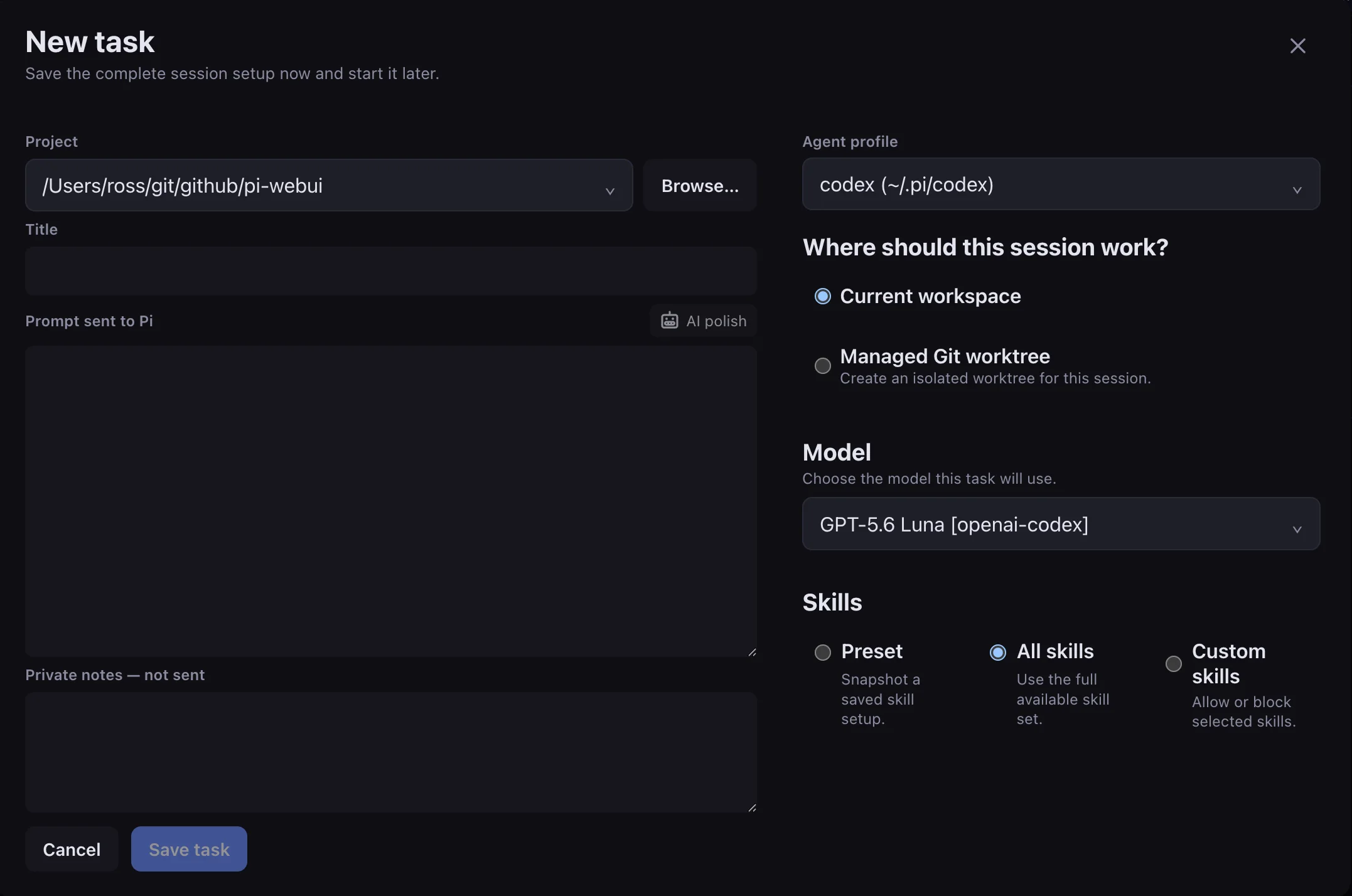
Stash follow-up tasks without derailing your current session. Use AI prompt polishing to refine loose thoughts into concrete specifications before queuing.
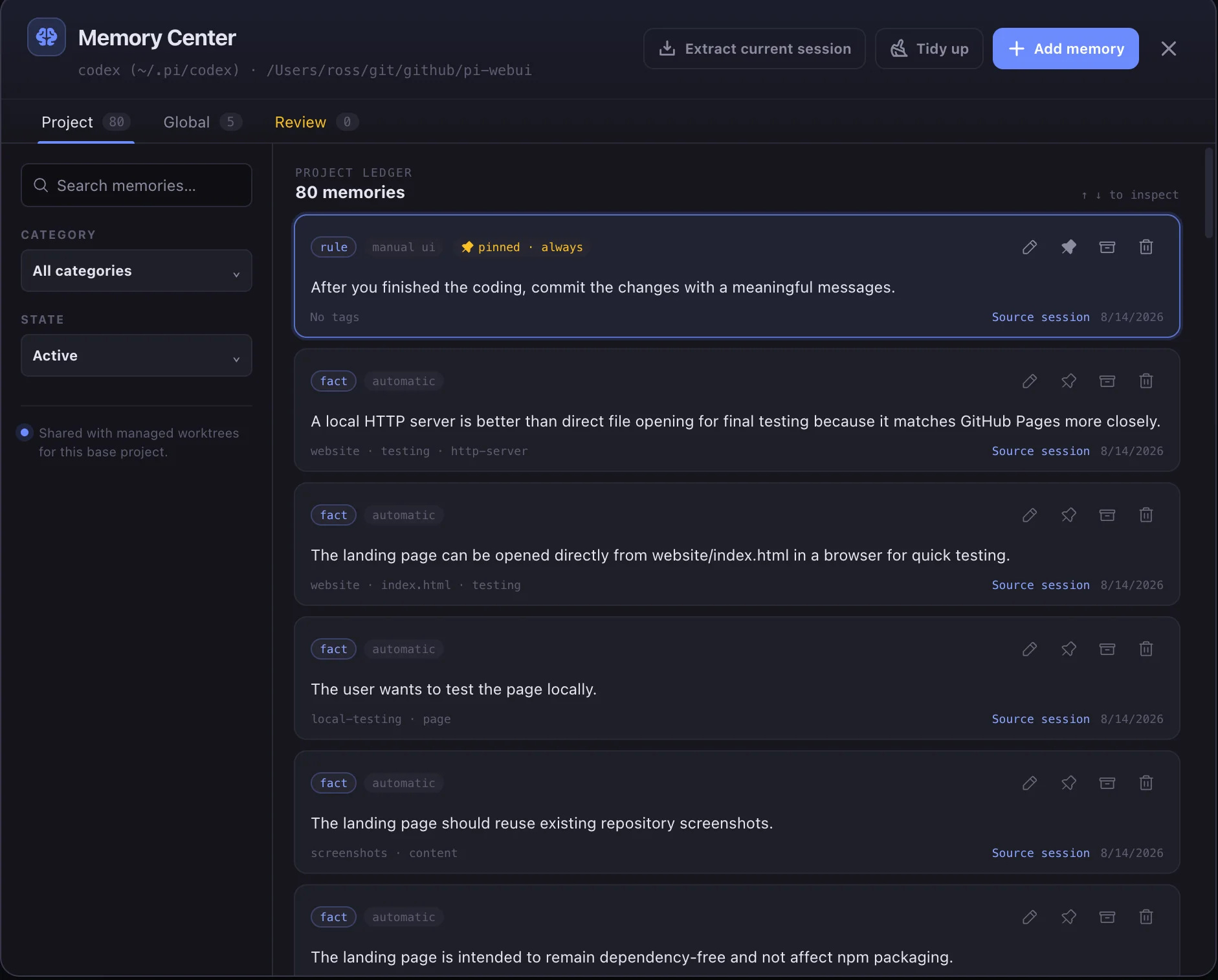
Never repeat your coding standards. Automatically extract and pin project constraints, linter rules, and testing strategies across multi-session lifecycles.
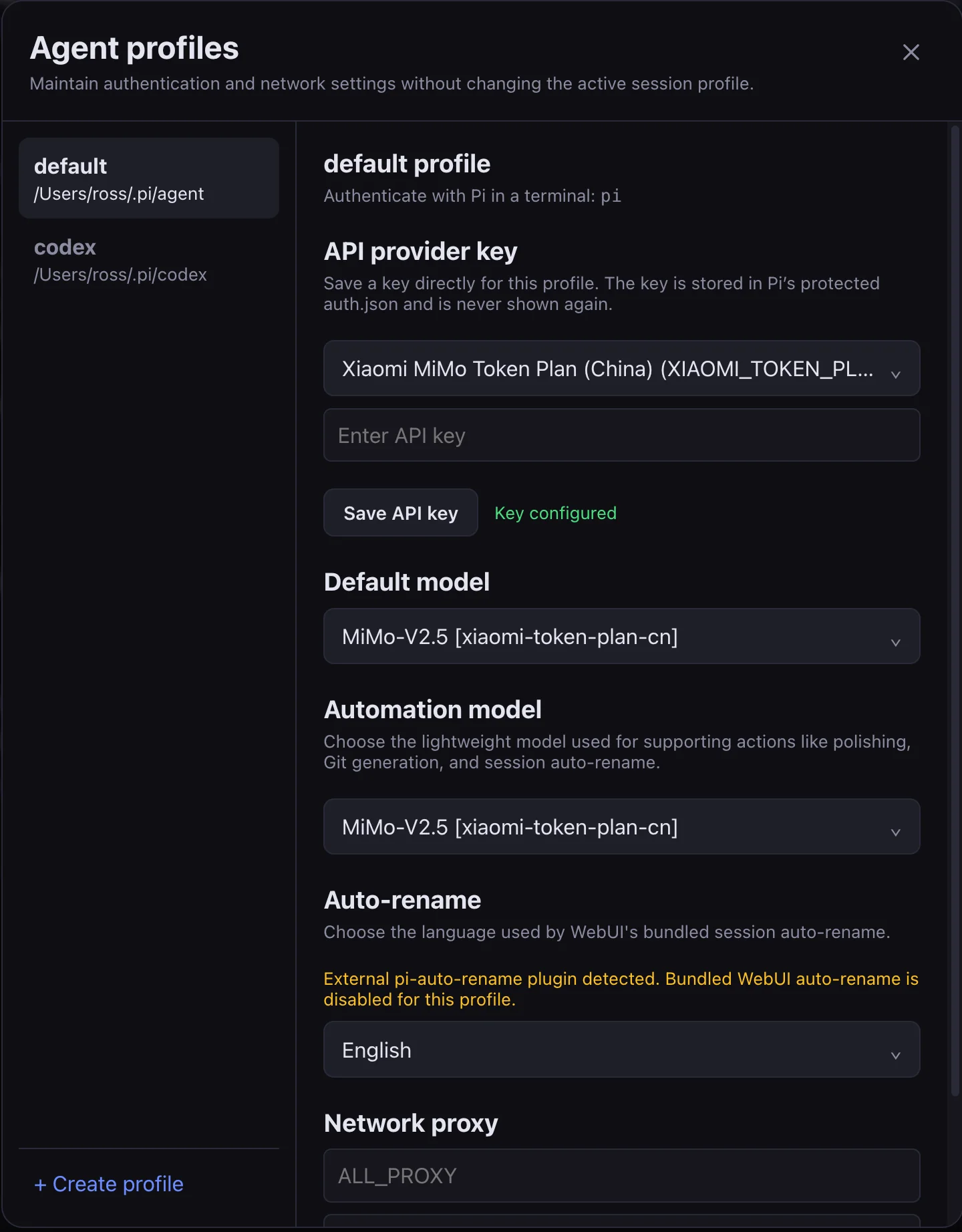
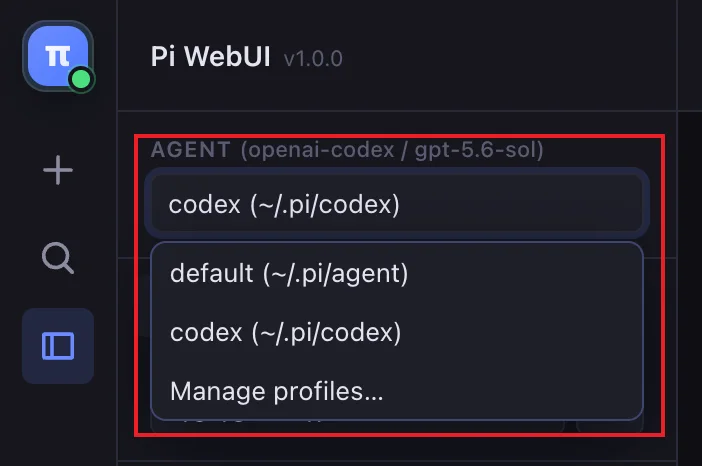
Switch between OpenAI Codex, Claude, DeepSeek, or local LLMs on the fly. Each profile maintains isolated API keys, proxies, and session histories.
Connect GitHub or Gitea remotes directly to agent actions. Interact remotely with your workstation through secure Feishu and WeChat messaging gateways.
More to explore
See how sessions, the composer, and the editor fit around the agent conversation.
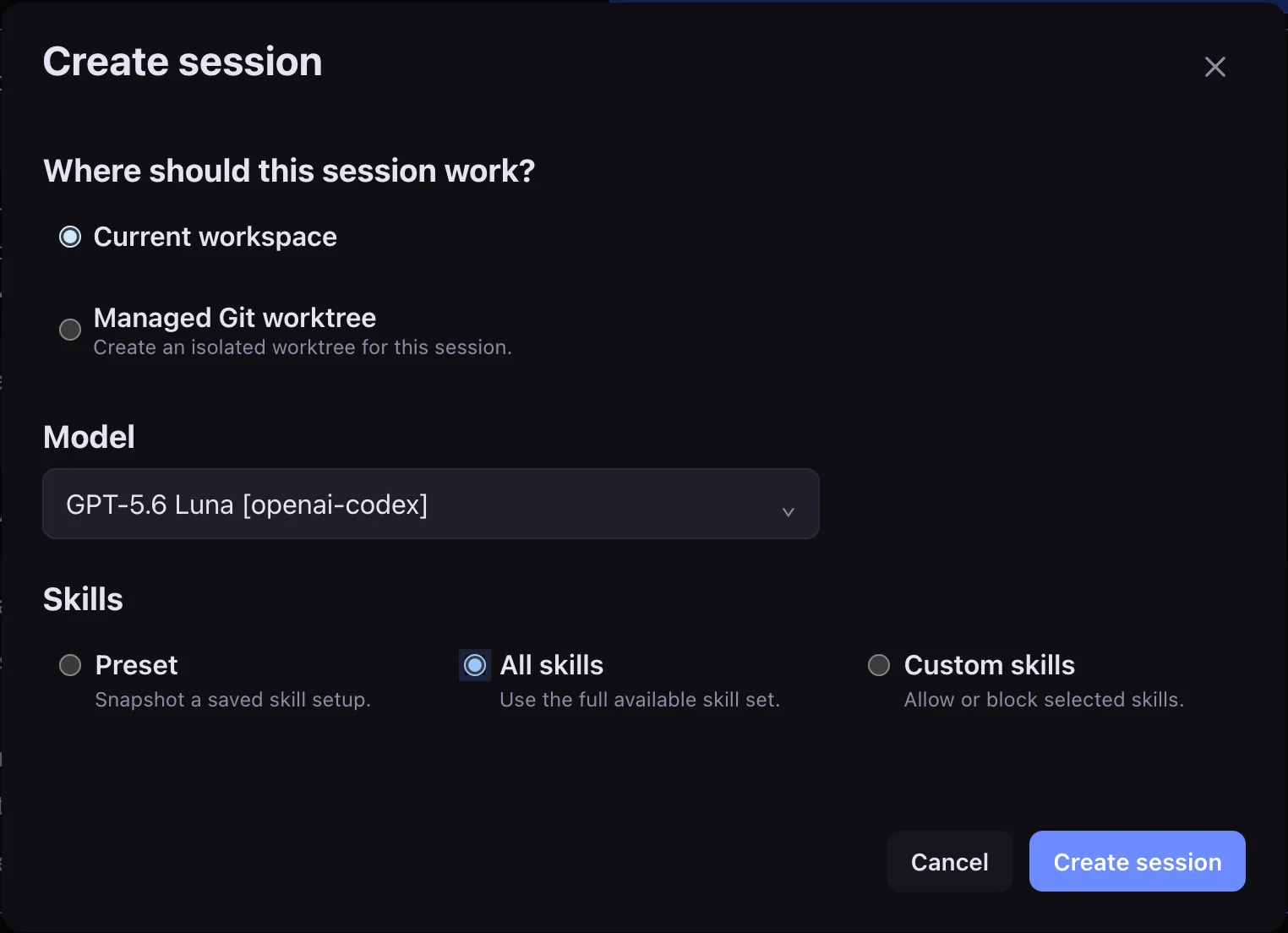
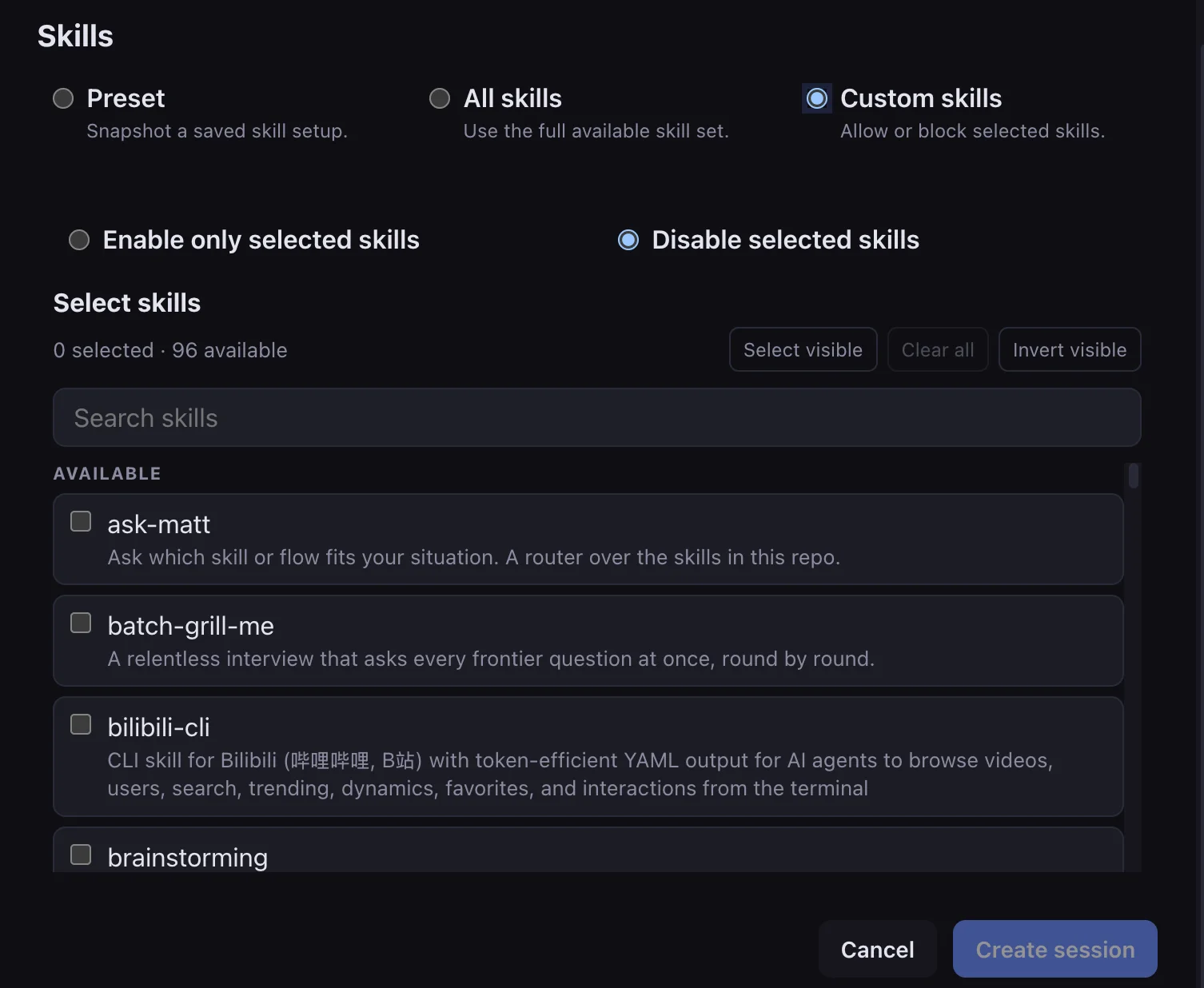
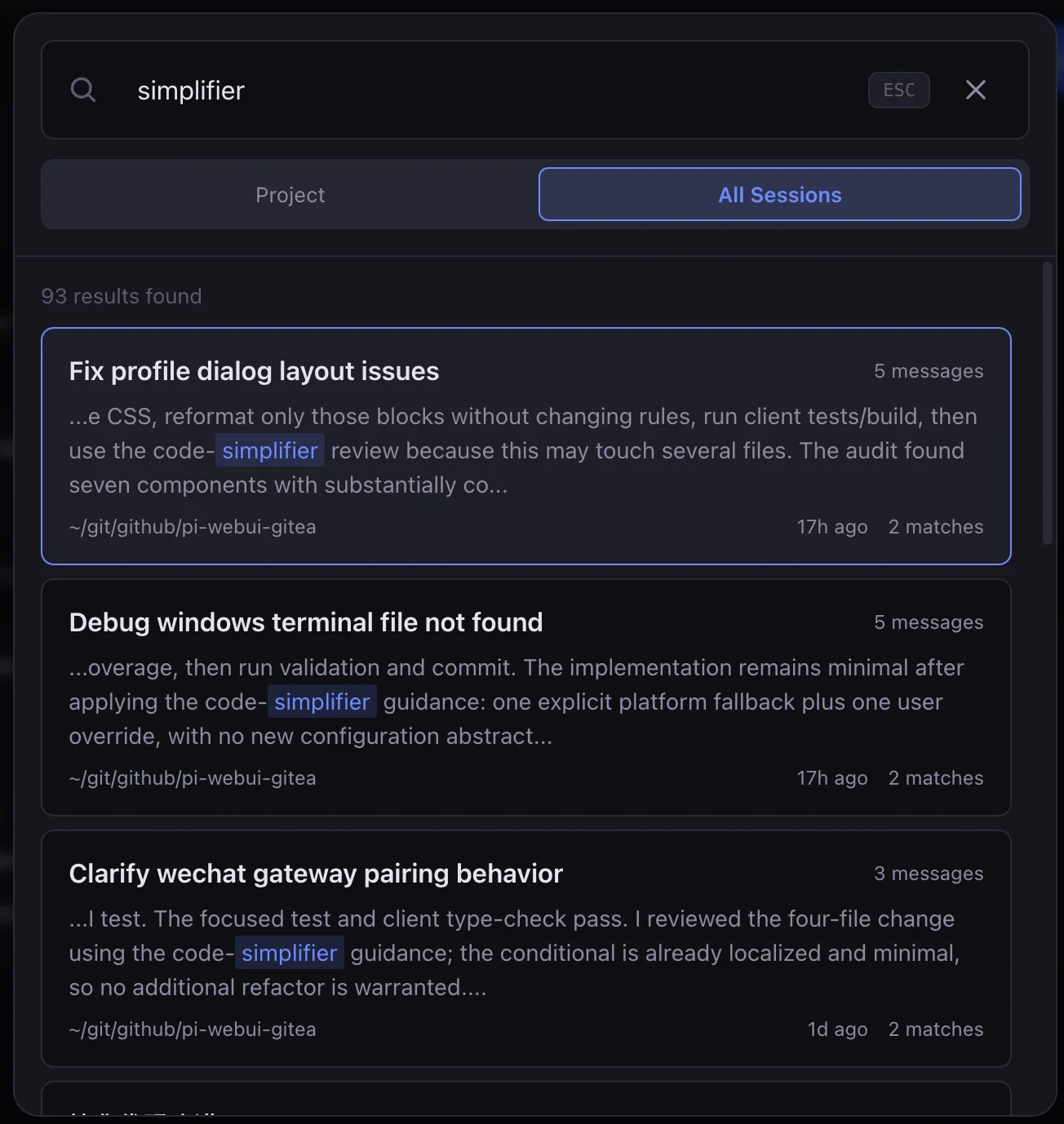
Search past sessions, choose a workspace, and decide which skills are available to the agent.

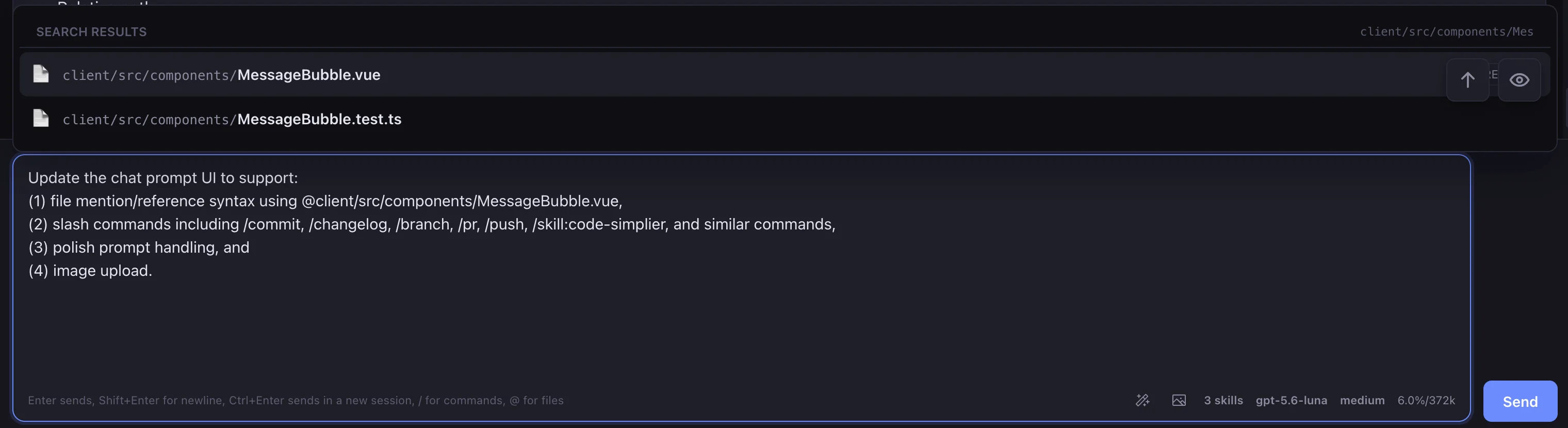
Reference files, use workflow commands, polish a prompt, or attach an image without leaving the conversation.

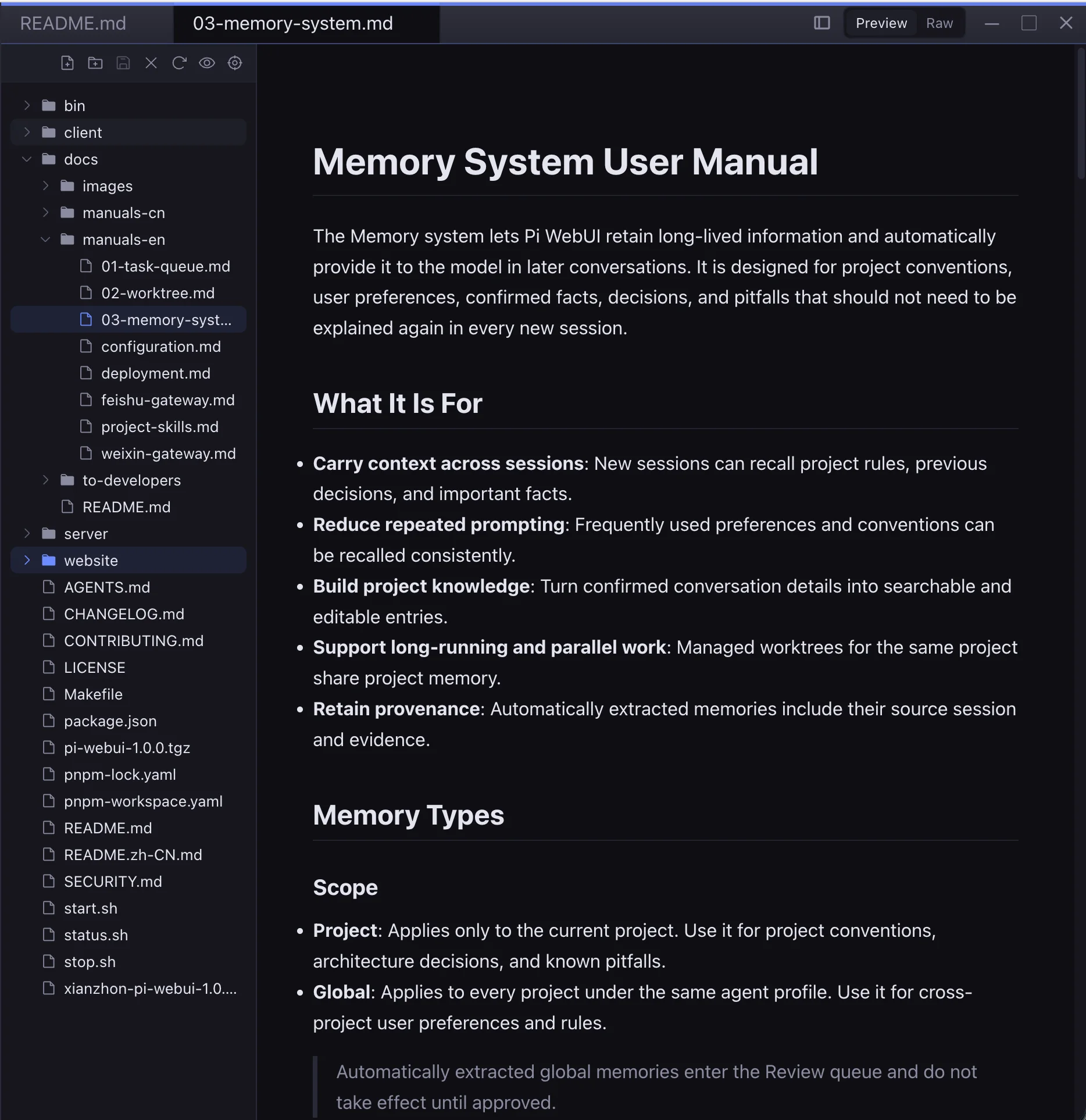
Open referenced files, preview Markdown or images, inspect diffs, and focus the editor when needed.

Complete feature tour
Explore the smaller screens and settings that support the everyday agent workflow.
Search across session history and continue work from where the conversation stopped.

Keep future work visible without interrupting the session you are currently working in.

Choose the project, model, skills, and session destination for a new task.

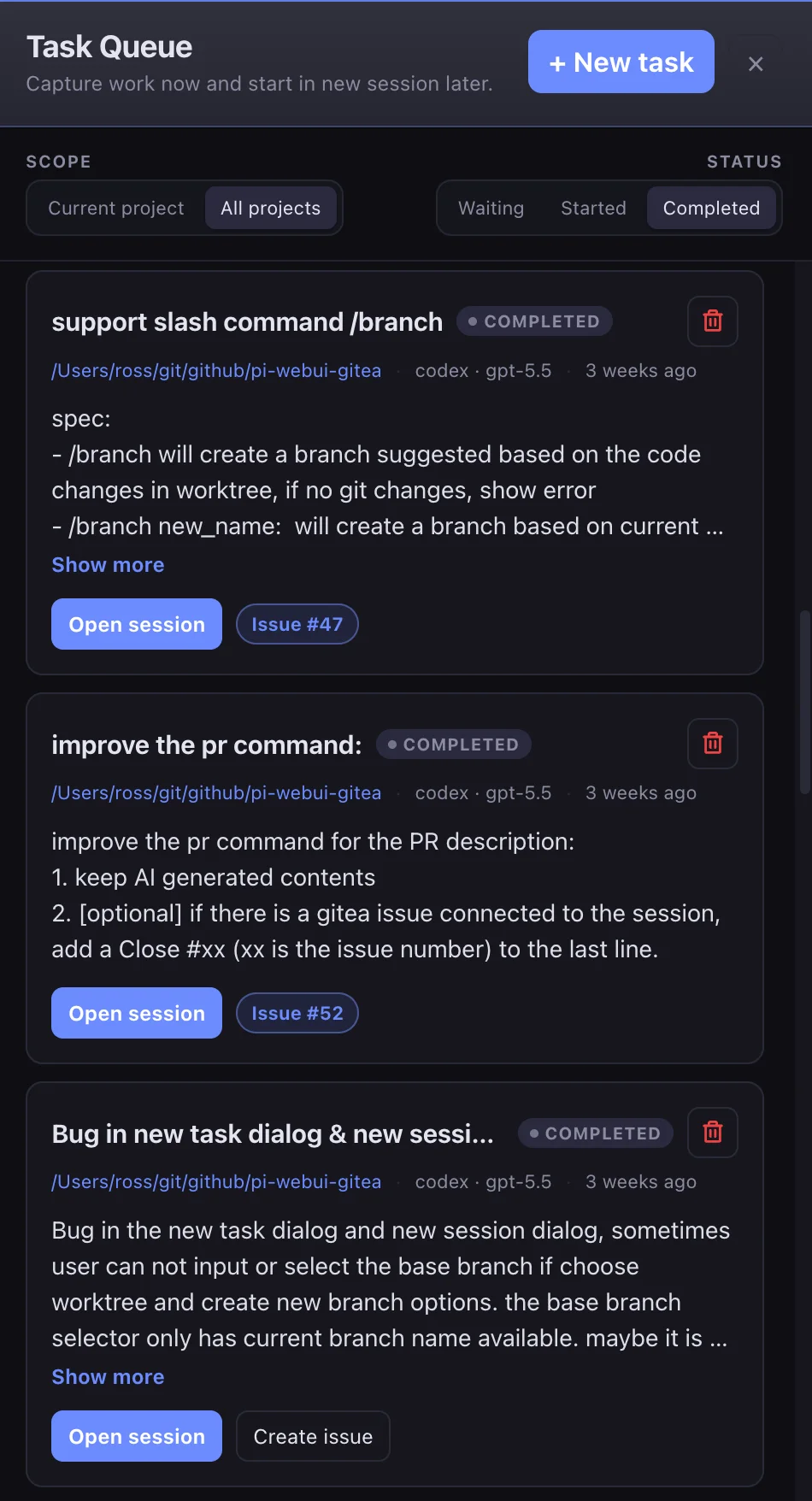
Completed work links back to its session and any related GitHub or Gitea issue.

Keep provider-specific environments separated and change profiles without mixing session histories.

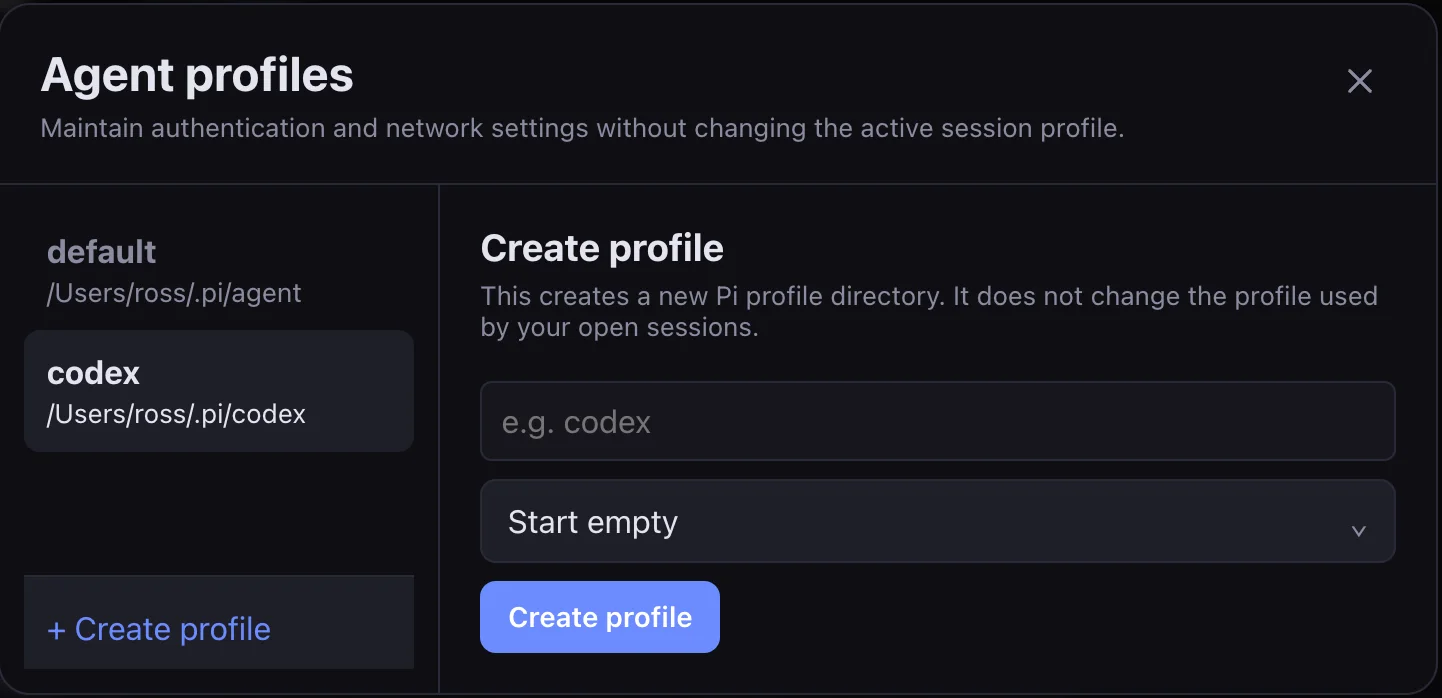
Create a new profile from scratch or copy configuration without bringing along old session history.

Maximize the editor for a focused review or editing session, then return to the workspace.

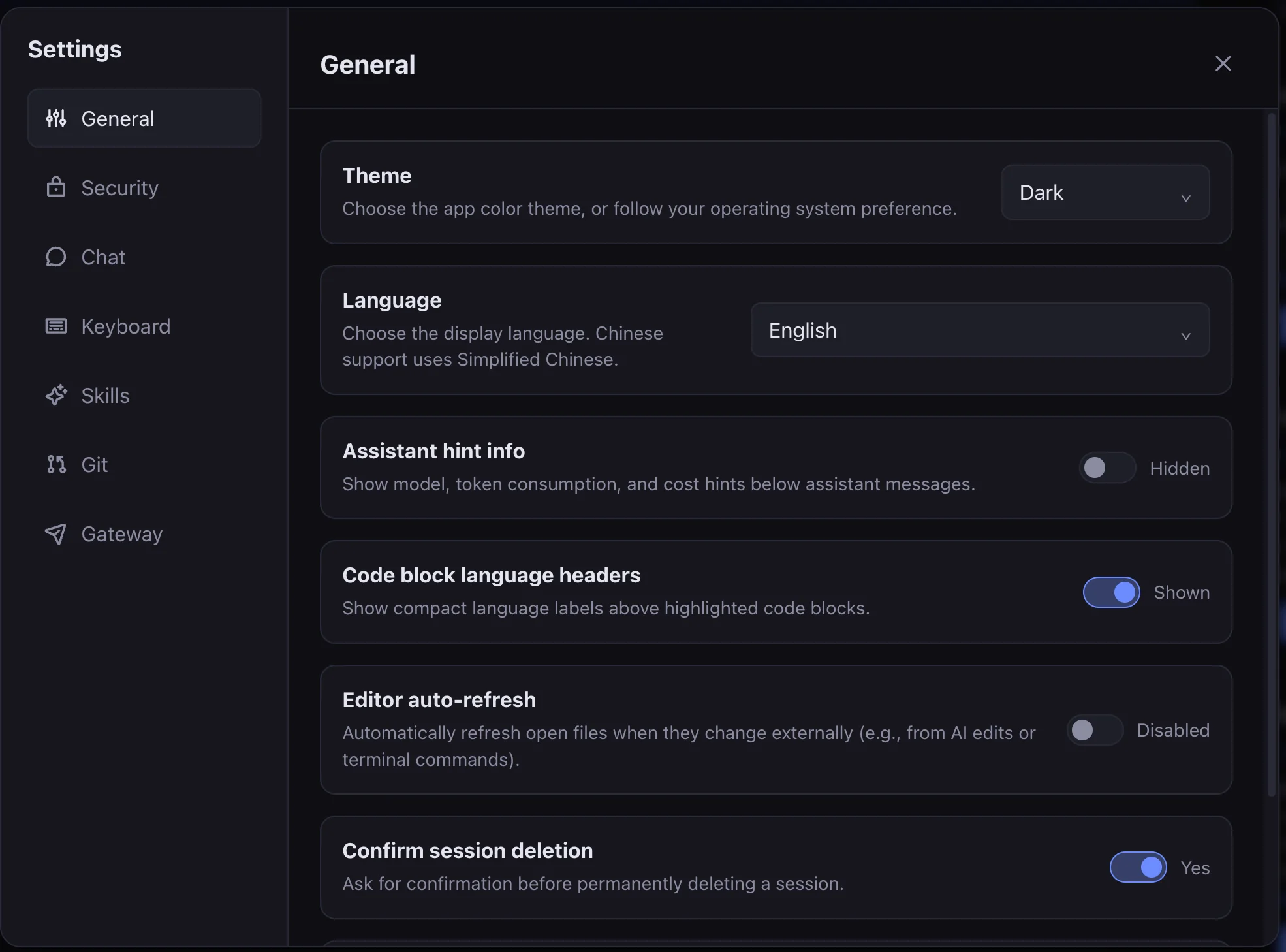
Set the everyday defaults that shape the workspace around your habits.

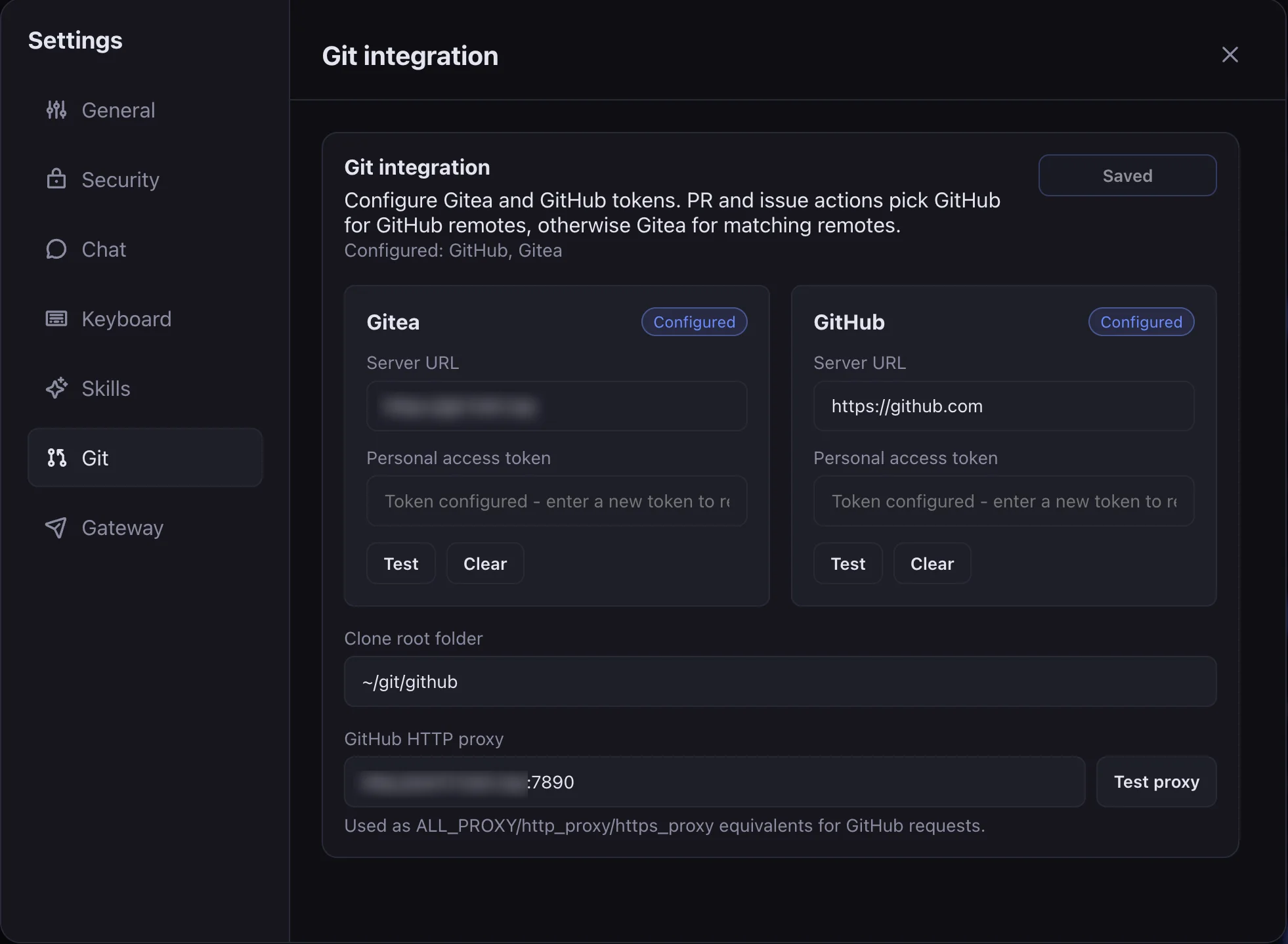
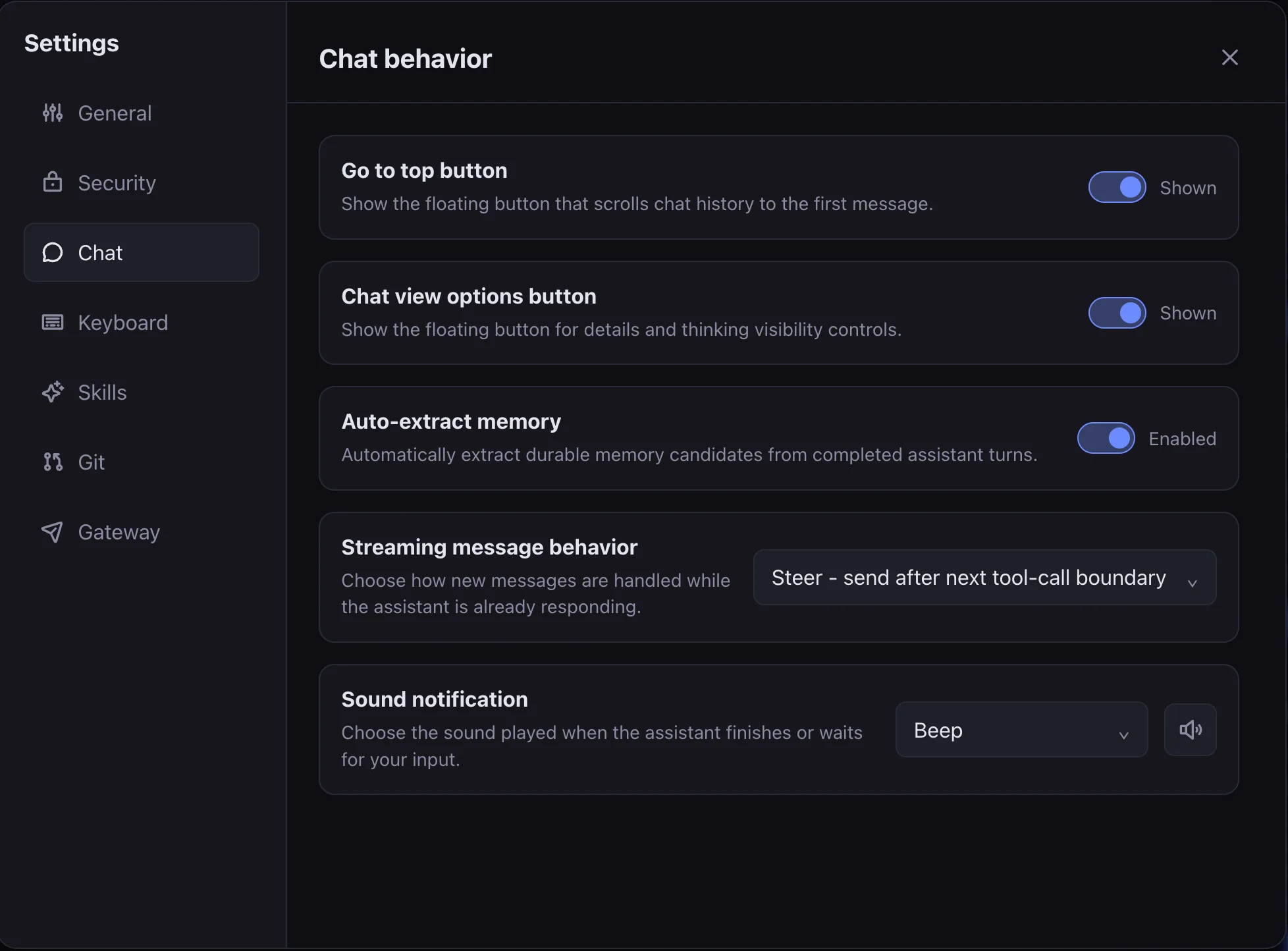
Adjust chat behavior, notifications, and streaming preferences for your workflow.

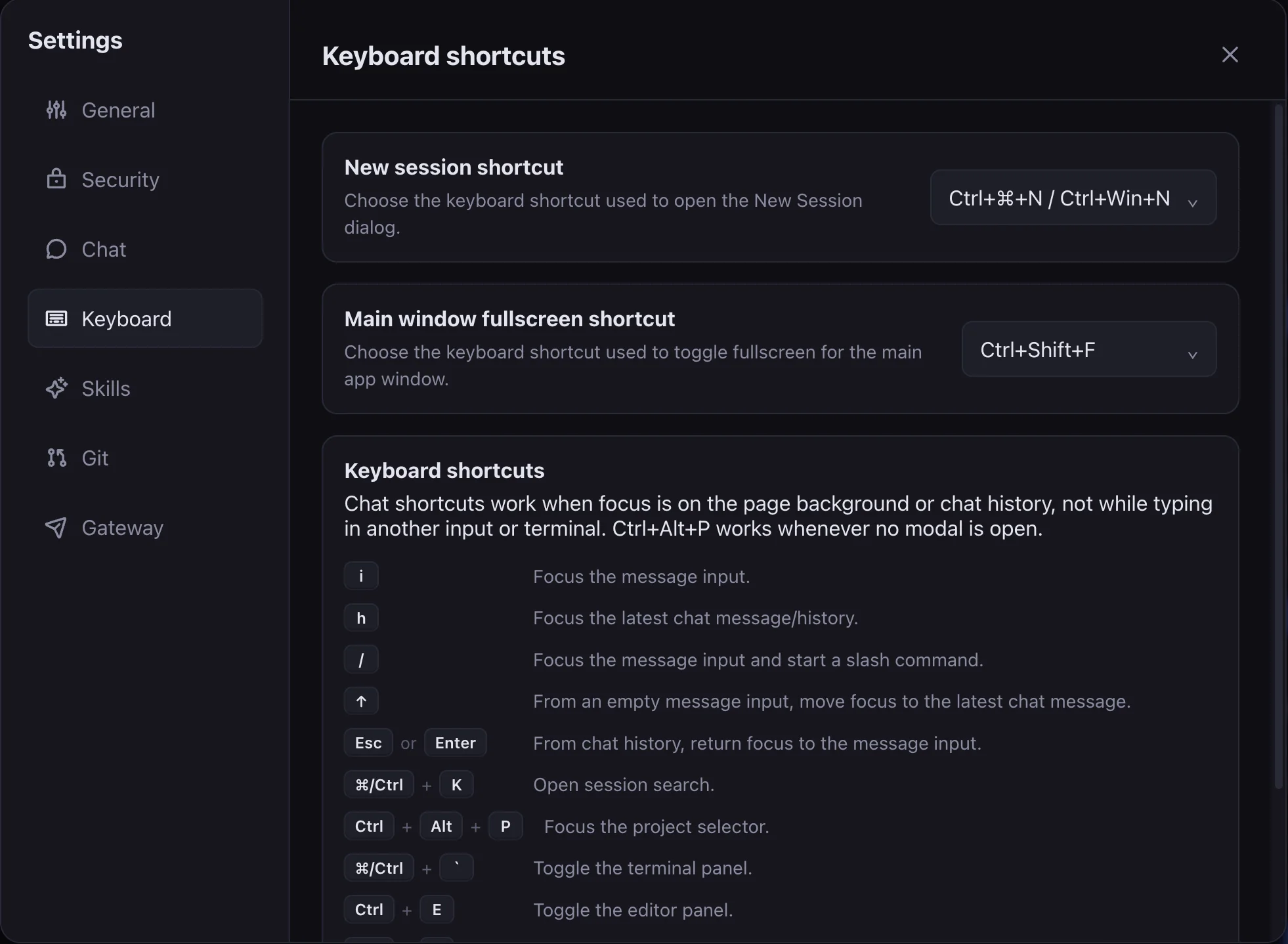
Review the keyboard shortcuts that make session navigation and editing faster.

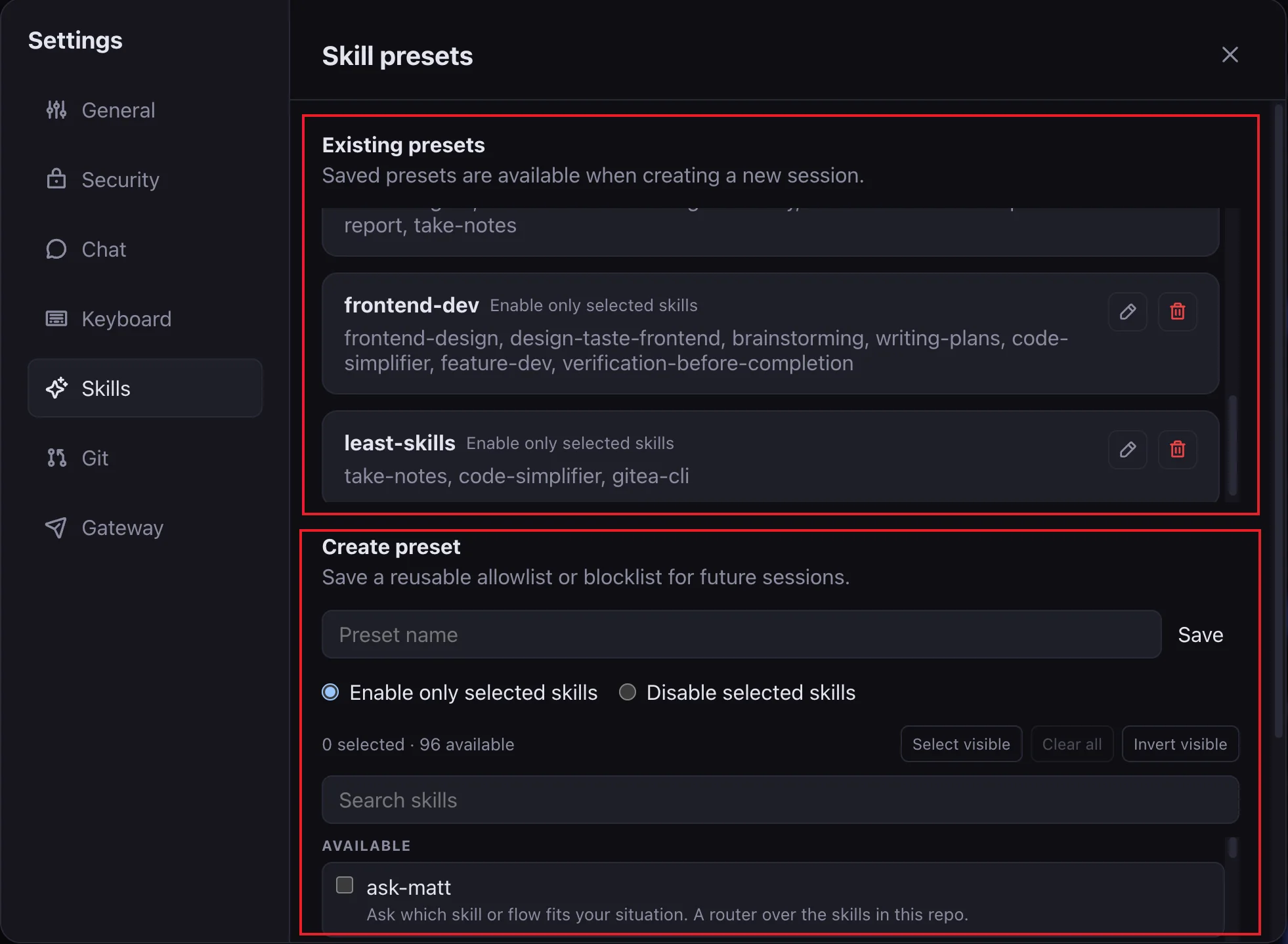
Keep a small, intentional skill set for simple work and richer presets for demanding projects.

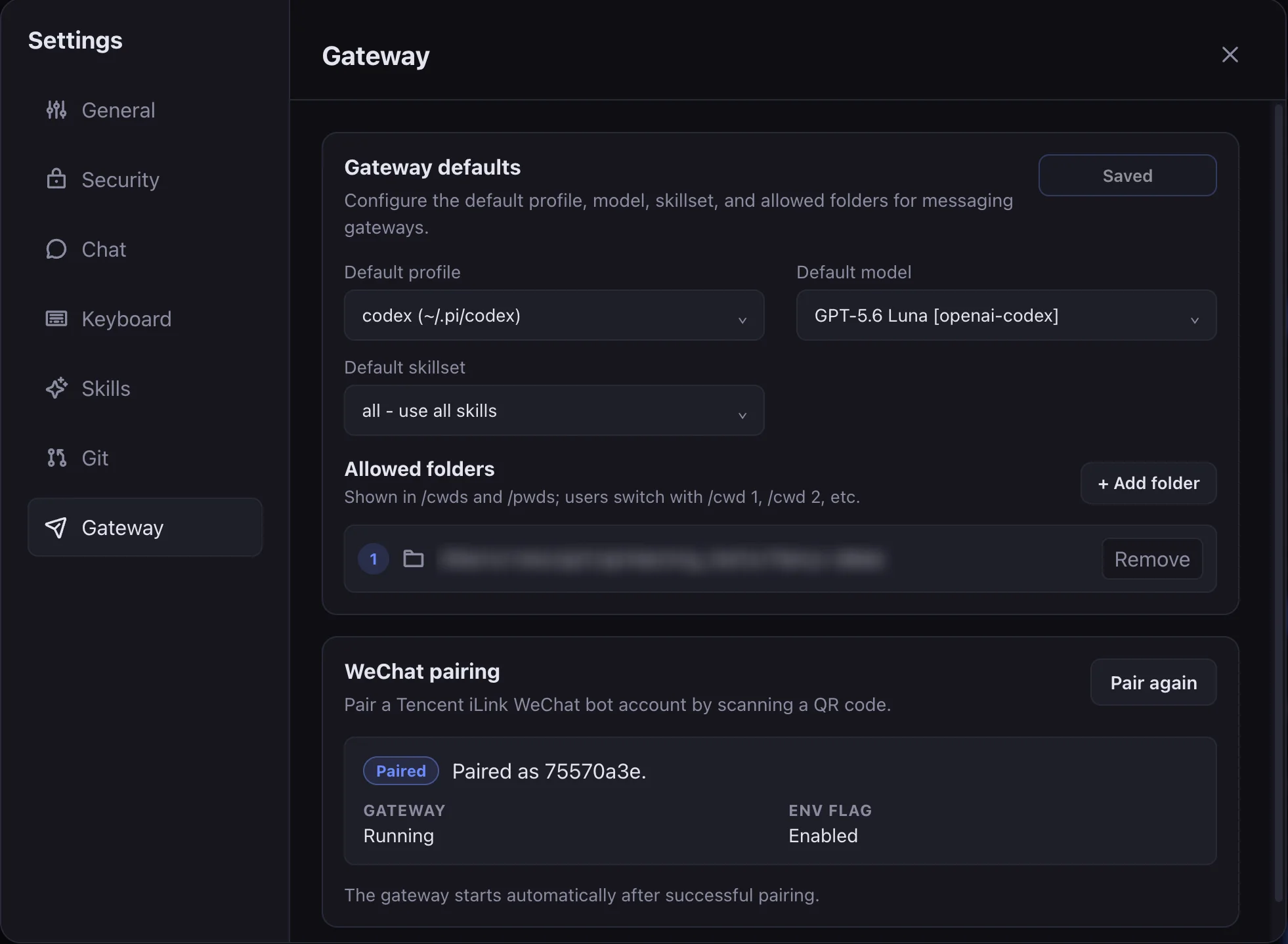
Configure supported messaging gateways for a focused remote workflow.

Self-hosted by design
Run the web interface and agent on a machine you control, then connect from the devices you use.
Your repositories, Git worktrees, and shell environments are available on the machine running Pi WebUI.
The backend connects the Pi agent with sessions, terminals, tasks, memory, and workspace tools.
Use a desktop browser, tablet, or phone. Authentication and remote access can be configured for your setup.
A clear mental model
Pi WebUI brings the parts of an agent workflow together without hiding how the system is run.
| Part of the workflow | What Pi WebUI provides | Where it runs |
|---|---|---|
| Agent sessions | Resume conversations and run background tasks | Pi WebUI backend |
| Repository work | Browse files, terminals, diffs, and Git worktrees | Your workspace machine |
| Long-term context | Keep project and global memories available across sessions | Configured Pi WebUI storage |
| Remote use | Open the responsive interface from another device | Your network and access setup |
Get Started Now
Install the npm package, configure your credentials, and start the workspace on your own machine.
npm install -g @xianzhon/pi-webui && pi-webui